
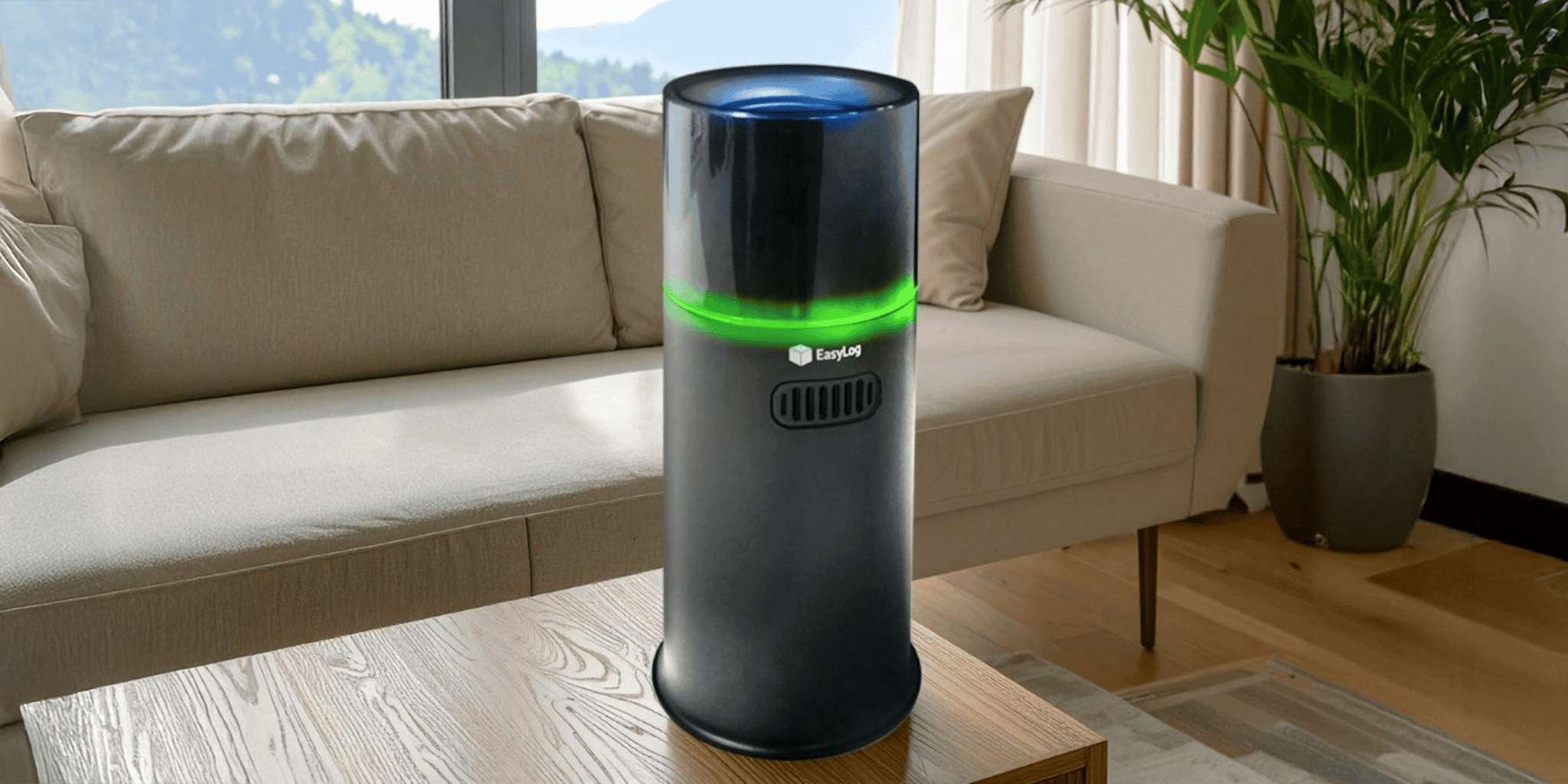
Improve indoor air quality this winter to protect your health, focus and comfort. When winter arrives, we shut the windows, turn up the heating and settle in for cosy nights at home. But while you’re keeping the cold out, you might also be trapping pollutants inside and that can quietly affect how you feel.
Whether you’re at home, managing air quality at work, or studying in a classroom, understanding how to improve indoor air is key to creating a safe, comfortable space during the colder months.
According to the UK Health Security Agency (UKHSA), poor indoor air can worsen respiratory issues, reduce concentration and increase long-term health risks, particularly as ventilation in winter naturally decreases.
Lascar is here to help. With our range of Air Quality Monitors, you can track key pollutants and maintain a healthier environment wherever you are.
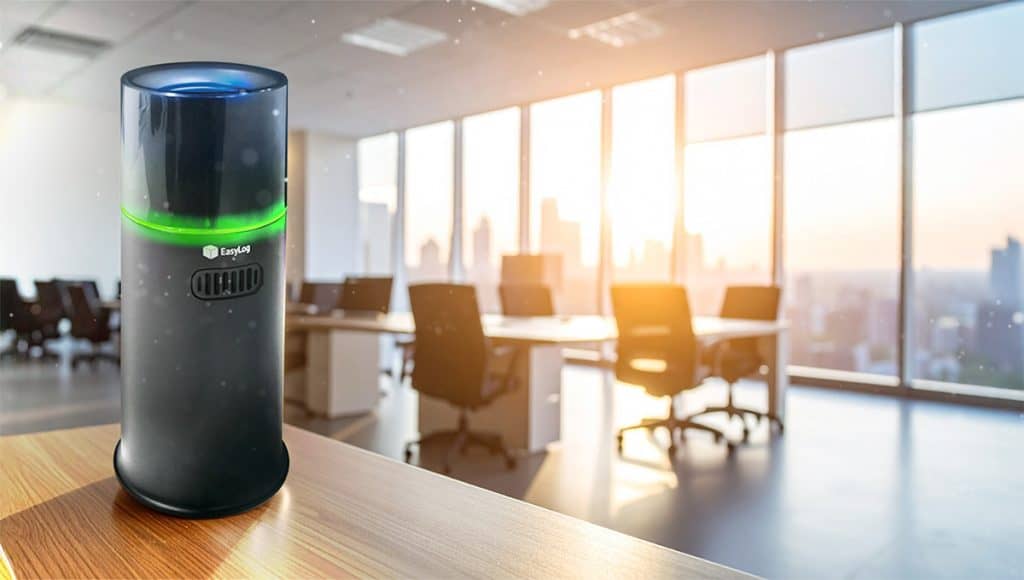
Why Does Indoor Air Quality Get Worse In Winter?
It’s simple: less ventilation in winter means more build-up.
During the colder months, windows stay closed and heating systems run for longer periods. Without a steady flow of fresh air, CO₂, volatile organic compounds (VOCs) from cleaning products and furniture and fine dust particles (PM2.5 and PM10) begin to accumulate indoors.
You might not see them, but you can often feel them through dry skin, headaches, fatigue, or a heavy, stuffy atmosphere. Poor indoor air quality can even make existing allergies or asthma worse, especially in busy shared spaces such as offices and classrooms, where maintaining air quality becomes essential.
Learning how to improve indoor air during the colder months helps reduce these effects and keeps every environment, from home to workplace, healthier and more comfortable.
Does Mould Get Worse In Winter?
Unfortunately, yes. When the temperature drops, we trap moisture inside, from cooking, showering and even breathing. This moisture settles on cold surfaces, creating the perfect conditions for mould to grow. Beyond being unsightly, mould releases spores that affect air quality and can trigger coughing, irritation and allergies.
Air Quality Monitors help prevent this by tracking humidity, temperature and CO₂ in real time, alerting you when levels rise and there is a need for ventilation. Keeping humidity between 30–50% is the simplest way to reduce condensation, stop mould before it starts and maintain a healthier indoor environment throughout winter.
For a deeper explanation of how these monitors work, see our guide: Air Quality Monitors: How They Work, Benefits and Buying Tips.
What Are The Common Signs Of Poor Indoor Air Quality?
Many of the signs are subtle but noticeable once you know what to look for:
- Feeling drowsy or unfocused, especially in enclosed rooms
- Persistent dry throat, itchy eyes, or coughing
- A musty or chemical smell that lingers.
- Condensation or mould forming on windows and walls.
These are indications that your indoor air may need attention, especially if the heating is running constantly and windows stay closed in your home, office, or classroom. Recognising these early indicators is the first step to creating a healthier environment and understanding when it’s time to improve indoor air quality.
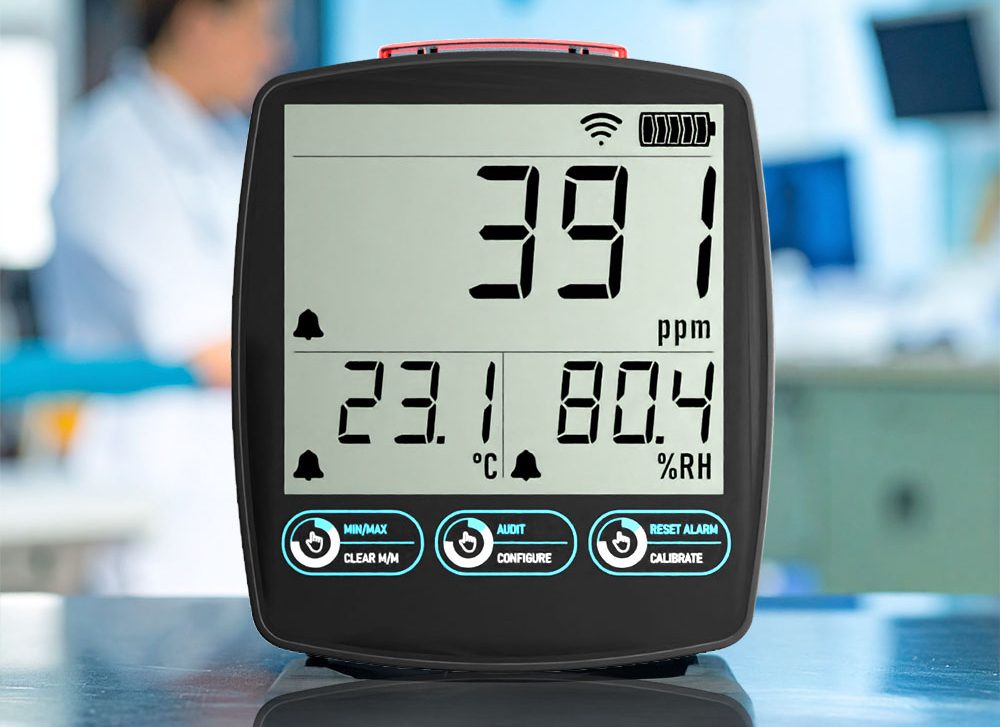
How to Improve Indoor Air and Measure it
The easiest and most accurate way to improve indoor air quality during the colder months is by using an air quality monitor.
An Air Quality Monitor tracks real-time readings of key pollutants such as CO₂, VOCs, humidity and particulate matter, helping you spot problems before they affect your wellbeing or productivity.
EasyLog’s Indoor Air Quality Monitors go one step further, providing:
✅ Continuous monitoring of indoor pollutants
✅ Instant alerts when air quality drops
✅ Cloud connectivity via the EasyLog Cloud app, so you can view results straight from your phone.
How To Improve Indoor Air Quality During Winter
You don’t have to sacrifice warmth for freshness; just find a balance:
- Ventilate briefly but effectively by opening windows for 5–10 minutes a few times a day.
- Keep humidity levels between 30–50% to prevent mould and dryness.
- Avoid high-VOC products by choosing eco-friendly cleaning and air-freshening options.
- Add an air purifier with a HEPA filter to reduce dust, pollen and pet dander.
- Use an air quality monitor to know when you should act and when your air is healthy again.
For more practical advice, visit DEFRA’s Air Quality Resources.
Why Choose Lascar Electronics For Air Quality Monitoring?
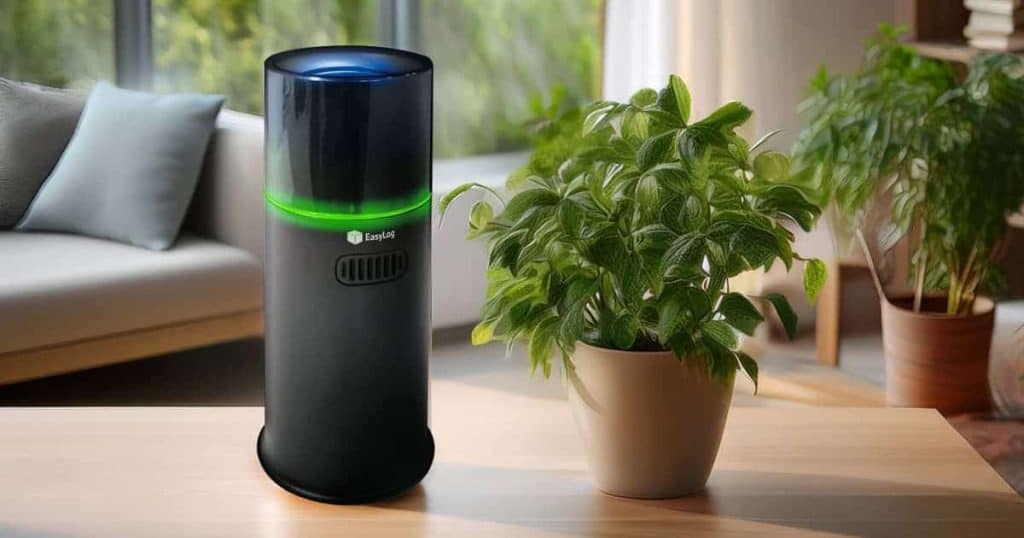
The EasyLog Indoor Air Quality Monitors combine accurate sensors, a user-friendly design and cloud connectivity to make air tracking simple. Whether for your home, office, or classroom, you will always know when it’s time to refresh your air, even during the coldest months.
Want to Learn More?
Explore how air quality monitors work, the key benefits they offer and how to choose the right one for your home or workplace.