
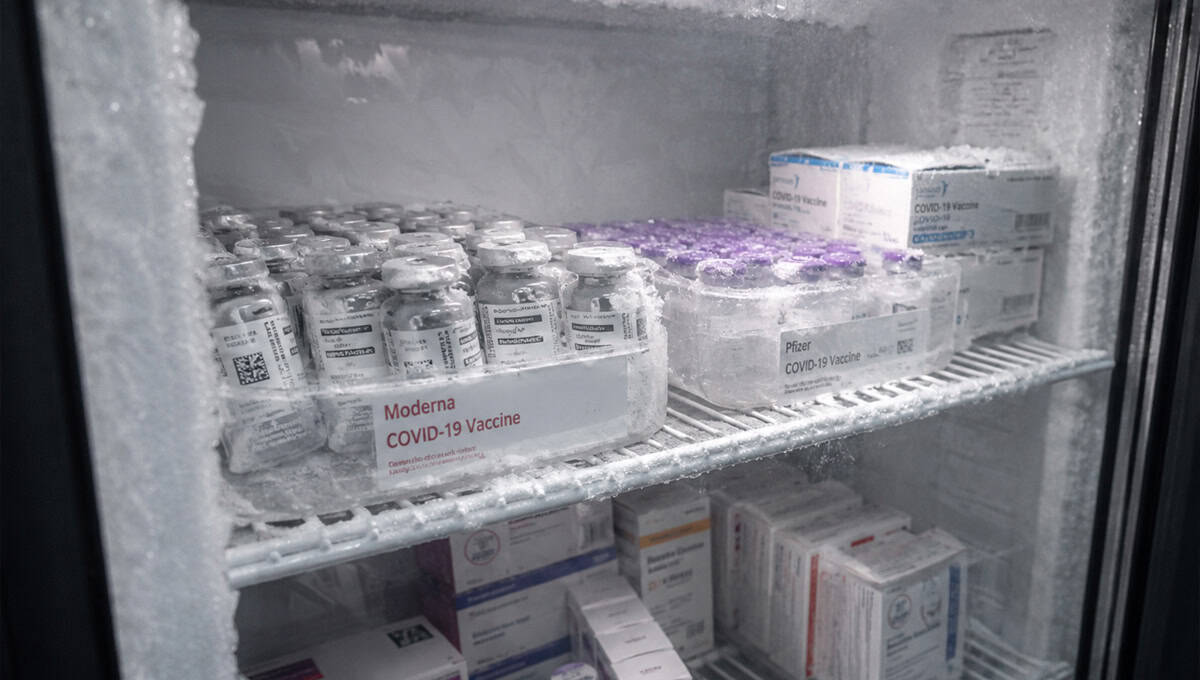
Cold chain temperature monitoring is often associated with preventing overheating. But in life sciences, freezing can be just as damaging.
For vaccines, refrigerated medicines, biologics and samples, the goal is not simply to keep products cold. The goal is to keep them within the correct temperature range from storage through to transport and use.
When temperatures fall too low, product integrity, compliance, patient safety and operational continuity can all be affected.
Quick Definition: What is Cold Chain Temperature Monitoring?
Cold chain temperature monitoring is the continuous measurement and recording of temperature conditions for products that must stay within defined limits during storage or transport.
In life sciences, this data helps teams identify temperature excursions, investigate cold chain breaches and prove that critical goods have remained within their required range.
The NHS Specialist Pharmacy Service advises that medicines fridges and freezers should be monitored continuously, with action taken when temperatures move outside the required range.
Why Freezing Risks Can Be Overlooked During Heatwaves
During periods of extreme heat, much of the focus in life sciences and cold chain logistics shifts towards preventing products from overheating. But while high-temperature excursions are an obvious concern, freezing risks do not disappear during summer conditions.
In refrigerated storage environments, aggressive cooling systems, uneven airflow, overcompensation during heatwaves or poorly positioned products can still expose temperature-sensitive goods to low-temperature damage.
Common risk factors include:
- Cooling systems working harder during extreme temperatures
- Cold spots forming near vents, cooling elements or refrigeration walls
- Products stored too close to ice packs or chilled surfaces during transport
- Temperature fluctuations caused by frequent door openings
- Manual temperature adjustments made during hot weather
- Lack of visibility across larger storage or distribution environments
Without continuous cold chain temperature monitoring, freezing incidents may go unnoticed until product quality, compliance or usability has already been affected.
Temperature Ranges Are Not Interchangeable
One of the biggest misconceptions in cold storage is that “colder is better”.
It is not.
Different life sciences products need different storage conditions. The correct range always depends on the product, manufacturer instructions, stability data and internal SOPs.
As a general guide:
- Vaccines and many refrigerated medicines are commonly stored between +2°C and +8°C. NHS England notes that 5°C is often used as a vaccine fridge target because it gives leeway within that range.
- Ambient medicines may be stored at controlled room temperature, often around 15°C to 25°C, unless the label states otherwise. Although, the General Pharmaceutical Council advises pharmacy teams to follow manufacturer guidance for storage requirements.
- Frozen or ultra-low temperature products require validated freezer conditions. NHS SPS gives examples of medicine or laboratory freezer ranges such as -15°C to -25°C, below -40°C, or ultra-low -60°C to -90°C, depending on the products being stored.
- Biological samples vary widely. Some may need chilled handling, while others require frozen or ultra-low storage. The key point is to monitor against the correct validated range, not a generic “cold” condition.
This is why cold chain temperature monitoring should focus on staying within range, not simply staying cold.
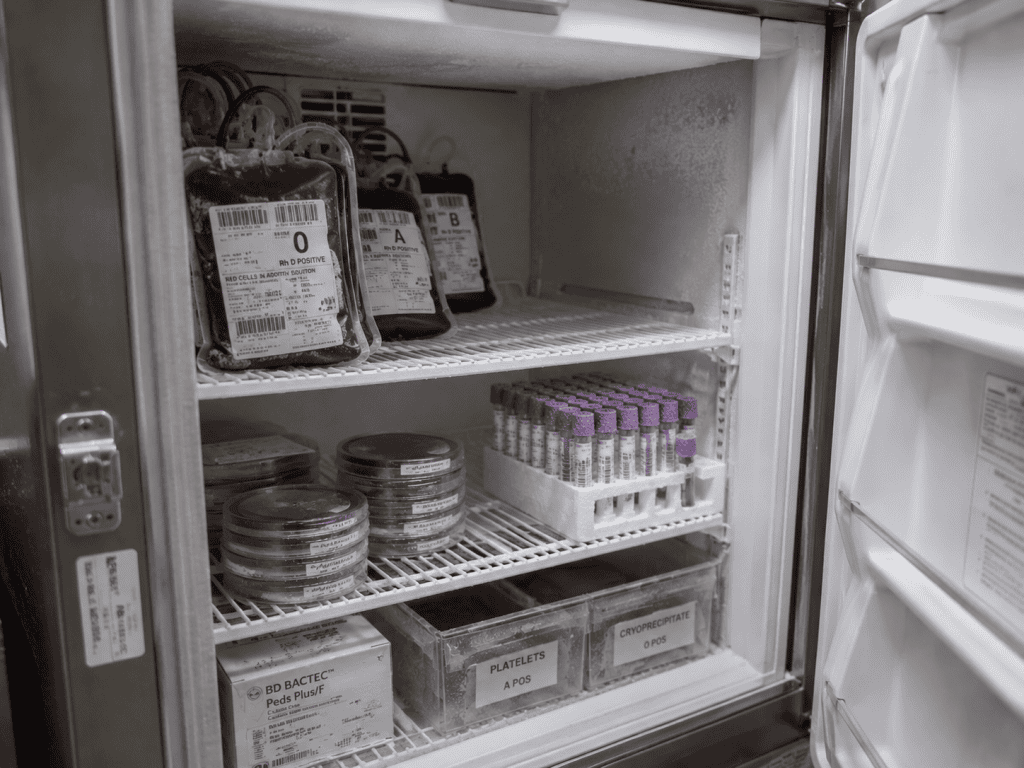
Key Freezing Risks in Cold Chain Storage
1. Unnoticed Temperature Drops
Low-temperature excursions can happen overnight, during weekends or in unmanned storage areas.
A fridge may appear operational, but a sensor or data logger may show that part of the storage area has dropped below the safe lower threshold.
2. Cold Spots Inside Storage Areas
Cold rooms, refrigerators and transport containers are not always uniform.
Products placed near walls, vents, cooling plates or poorly positioned ice packs may freeze even when the general air temperature appears acceptable. NHS England advises keeping vaccines away from fridge sides and floors to allow circulation and reduce the risk of freezing.
3. Transport Delays
Snow, ice and traffic disruption can extend journey times.
In transit, freezing risks may come from external weather conditions or from direct contact with cool packs. NHS England vaccine transport guidance warns that direct contact between cool packs and vaccines can cause potential freezing.
4. Power Disruption
Power cuts can affect refrigeration, alarms and monitoring systems across cold chain environments.
During summer heatwaves, refrigeration units often work harder to maintain safe conditions. If power is disrupted, temperature instability can quickly increase the risk of both overheating and unintended freezing in sensitive storage areas.
5. Human Error Under Pressure
Busy pharmacies, labs, healthcare sites and distribution teams may focus on high-temperature alarms while overlooking low-temperature risks.
That can be a problem when cold weather alerts, staffing pressures or delivery delays increase operational strain.
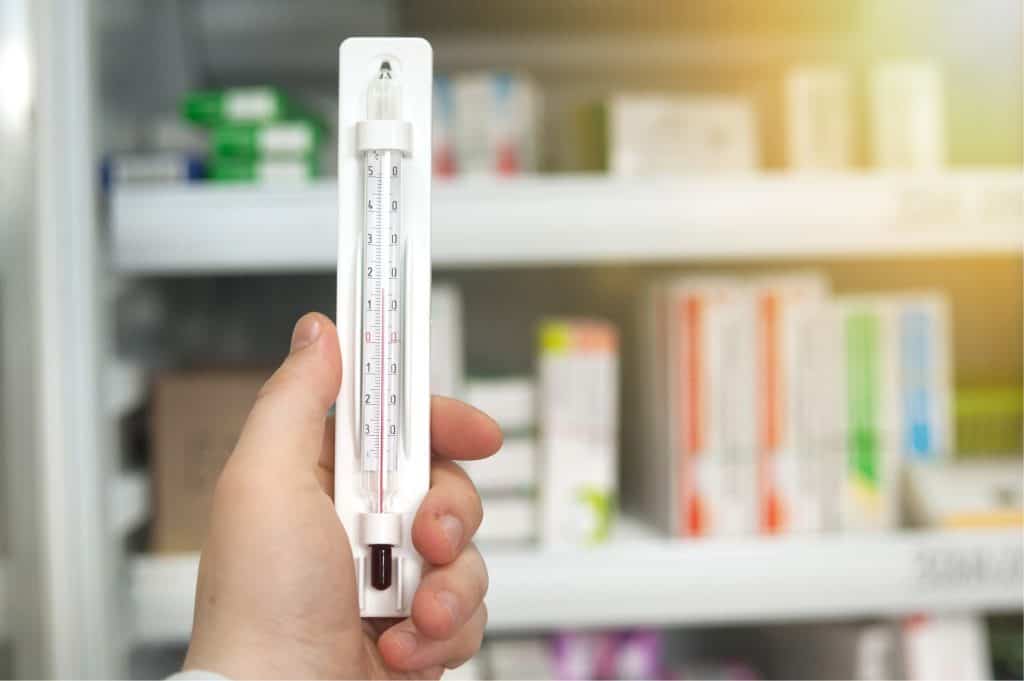
How Continuous Monitoring Helps Prevent Freezing Damage
Continuous temperature monitoring gives teams visibility before a small temperature shift becomes a serious cold chain breach.
For life sciences environments, monitoring can help identify:
- Low-temperature excursions
- Door-open events and recovery times
- Cold spots inside fridges or cold rooms
- Temperature changes during transport
- Products exposed during delays
- Recurring problem areas across multiple sites
Time-stamped data is also valuable after an incident. It helps teams understand when the excursion happened, how long it lasted and which products may have been affected.
NHS England guidance recommends data loggers for fridge temperature monitoring because they continuously record temperature and can help establish how long vaccines may have been outside range during a cold chain breach.
For remote or multi-site monitoring, cloud-connected systems can also help teams respond faster. EasyLog Cloud, for example, supports remote monitoring of multiple devices, advanced notifications, data analysis and reporting.
Practical Steps to Reduce Freezing Risks During Heatwaves
During periods of extreme heat, life sciences teams should review cold chain processes with both high and low temperatures in mind.
Useful steps include:
- Check that both high and low temperature alarms are set correctly
- Identify cold spots within fridges, cold rooms and transport containers
- Keep products away from vents, cooling elements and ice packs
- Monitor transport conditions during delays or extended journeys
- Use continuous temperature monitoring rather than manual spot checks
- Review temperature data after power disruption or extreme weather events
Building Resilience Into the Life Sciences Cold Chain
Cold storage safety is not just about preventing products from getting too warm. It is about keeping vaccines, medicines, samples and temperature-sensitive goods within the correct range at every stage of the cold chain.
Freezing can be silent, sudden and difficult to detect without the right monitoring in place.
With continuous cold chain temperature monitoring, organisations can spot low-temperature risks earlier, respond faster and maintain the records needed to support compliance, product quality and patient confidence.
For organisations reviewing winter readiness, EasyLog USB, WiFi and 21CFR temperature monitoring solutions can support storage and transport monitoring across life sciences environments.