
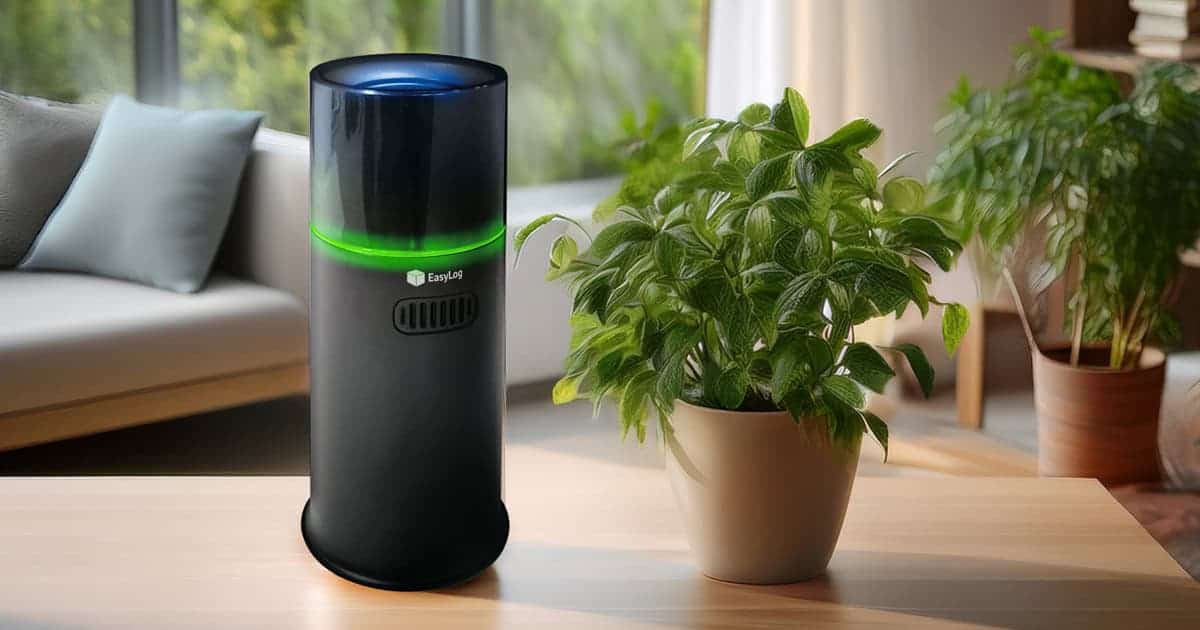
Air quality has a major impact on how comfortable, healthy and productive an indoor environment feels. Yet many of the pollutants that affect indoor air quality are invisible, meaning poor air can often go unnoticed until symptoms or problems appear.
An air quality monitor helps identify pollutants and environmental changes in real time. These devices can measure factors such as particulate matter, volatile organic compounds, carbon dioxide, carbon monoxide, temperature and humidity, depending on the model.
Whether you are trying to improve comfort at home, reduce indoor air pollution in the workplace or understand how to monitor air quality at home more effectively, the right device can provide the data you need to take action.
Do Air Quality Monitors Work?
Yes. A good air quality monitor can provide useful real-time data about the air around you. Instead of relying on guesswork, odours or visible signs, a monitor can help identify changes in indoor air quality as they happen.
Most air quality monitors measure one or more of the following:
- PM2.5 and PM10 particulate matter
- Carbon dioxide
- Carbon monoxide
- Volatile organic compounds
- Temperature
- Relative humidity
This information can help users understand when ventilation is poor, when pollutants are present, or when humidity levels may increase the risk of mould growth.
How Accurate Are Air Quality Monitors?
Accuracy depends on the quality of the sensors, how the device is used and where it is positioned. Professional and higher-quality monitors are generally more reliable than low-cost consumer devices, particularly when they use appropriate sensor technology and are maintained correctly.
For best results, always follow the instructions on placement, calibration and use. Readings can be affected by direct airflow, blocked sensors, dust build-up, nearby pollution sources or sudden changes in temperature and humidity.
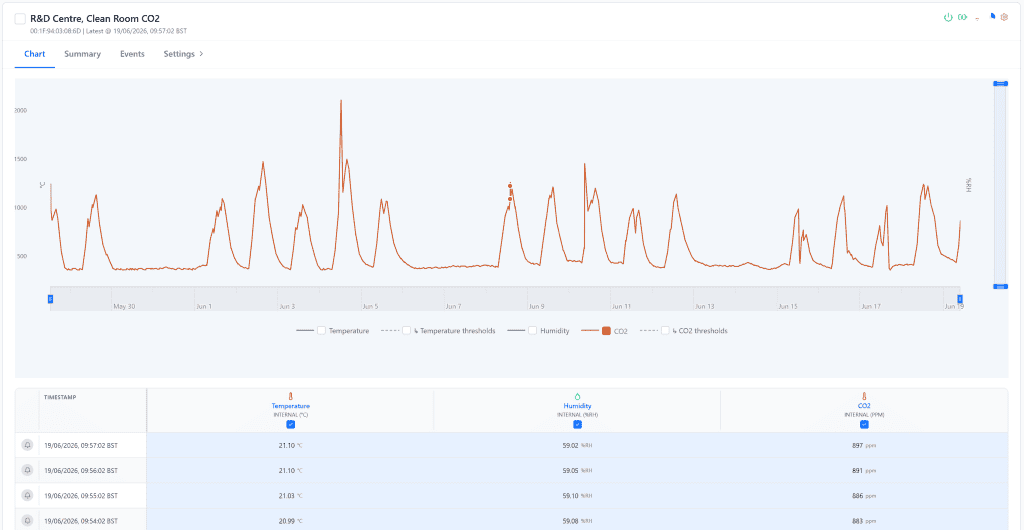
An air quality monitor is most useful when it shows trends over time. A single reading can be helpful, but continuous monitoring gives a clearer picture of how indoor air quality changes throughout the day.
How to Monitor Air Quality at Home
If you want to know how to monitor air quality at home, the most reliable starting point is to use an indoor air quality monitor in the rooms where you spend the most time.
Place the monitor in a representative position, away from windows, doors, fans, vents and direct sources of pollution. Bedrooms, living rooms, home offices and shared spaces are usually good starting points.
A home air quality monitor can help you:
- Check whether ventilation is sufficient
- Spot increases in indoor air pollution
- Track humidity levels that could contribute to mould
- Identify pollutant spikes from cooking, cleaning or decorating
- Understand whether changes, such as opening windows or using an air purifier, are helping
For a fuller picture, monitor readings over several days rather than relying on one moment in time. Indoor conditions often change depending on occupancy, weather, heating, cooking, cleaning products and ventilation habits.

What Causes Indoor Air Pollution?
Indoor air pollution can come from many everyday sources. Some pollutants enter from outside, while others are produced inside the building.
Common sources include:
- Cooking fumes and combustion appliances
- Wood burners, fireplaces and gas stoves
- Cleaning products, sprays, paints and adhesives
- New furniture, flooring and building materials
- Dust, pollen, pet dander and mould spores
- Poor ventilation and high occupancy
- Outdoor pollution entering through windows, doors or ventilation systems
This is why indoor air quality can vary significantly throughout the day. An indoor air pollution monitor can make these changes easier to see and manage.
What Are the Benefits of Using an Air Quality Monitor?
An air quality monitor gives you visibility of conditions that would otherwise be difficult to detect. This can support better decisions in homes, offices, schools, laboratories, healthcare environments and other shared indoor spaces.
Key benefits include:
- Real-time visibility of changing air conditions
- Early warning of poor ventilation
- Better understanding of indoor air pollution sources
- Support for allergy, asthma and respiratory comfort management
- Data to help guide ventilation and air purification decisions
- Greater confidence in indoor environmental conditions
For businesses and facilities teams, air quality data can also support building management decisions, occupant comfort and environmental monitoring strategies.
Can Your Phone Check Air Quality?
A smartphone cannot usually measure air quality by itself. However, our air quality monitors can connect to the EasyLog Cloud app, so readings can be viewed from a phone or tablet.
This is useful when you want to check indoor air quality remotely or receive alerts when readings move outside expected levels.
Connected monitoring can help users:
- View live and historical readings
- Receive alerts when conditions change
- Track trends over time
- Compare different rooms or locations
- Respond quickly to poor air quality events
Lascar air quality monitoring solutions can support remote access and alerts through connected monitoring platforms, helping users stay informed wherever they are. Learn more about the EasyLog Cloud here →
Where Is the Best Place to Put an Air Quality Monitor?
Correct placement is important for reliable readings. The best location depends on what you want to measure, but the monitor should usually be placed where people spend time and where air can move freely around the device.
For indoor monitoring, place the device:
- At roughly breathing height
- Away from windows, doors and vents
- Away from direct sunlight
- Away from fans, heaters and air conditioning units
- Away from walls, corners and obstructions
- In a room that is regularly occupied
Avoid placing the monitor directly next to a pollution source unless you are specifically trying to measure that source. For example, a monitor placed next to a cooker may show useful cooking-related spikes, but it may not represent the wider room.

What Are the Signs of Poor Indoor Air Quality?
Poor indoor air quality is not always obvious. Some signs are visible, while others may appear as changes in comfort, concentration or wellbeing.
Possible signs include:
- Stale or stuffy air
- Persistent odours
- Condensation on windows
- Visible mould or damp patches
- Frequent headaches or tiredness
- Coughing, sneezing or throat irritation
- Worsening allergy or asthma symptoms
- Difficulty concentrating in occupied rooms
These symptoms can have many causes, but air quality monitoring can help identify whether ventilation, humidity or pollutants may be contributing.
What Are the Main Indoor Air Pollutants?
The most common indoor air pollutants include particulate matter, volatile organic compounds, carbon dioxide and carbon monoxide.
Particulate Matter
Particulate matter includes tiny airborne particles such as dust, smoke, pollen, pet dander and cooking particles. Fine particles such as PM2.5 can be particularly concerning because they are small enough to travel deep into the lungs.
Volatile Organic Compounds
Volatile organic compounds, often called VOCs, are gases released from some paints, cleaning products, adhesives, furnishings and building materials. High VOC levels can contribute to odours, irritation and discomfort.
Carbon Dioxide
Carbon dioxide is produced when people breathe out. Higher CO₂ levels can indicate that a room may not be well ventilated, especially in occupied spaces such as meeting rooms, classrooms and offices.
Carbon Monoxide
Carbon monoxide is a colourless and odourless gas produced by faulty or poorly ventilated combustion appliances. It can be dangerous, so a dedicated carbon monoxide alarm should always be used where required. An air quality monitor is not a substitute for a certified CO alarm.
How to Improve Indoor Air Quality
Once you understand what is affecting your indoor air quality, you can take practical steps to improve it.
Useful actions include:
- Increase ventilation where appropriate
- Use extractor fans when cooking or showering
- Keep humidity under control
- Reduce damp and mould sources
- Choose low-VOC products where possible
- Avoid smoking or vaping indoors
- Keep rooms clean to reduce dust and allergens
- Use an air purifier where filtration is needed
- Maintain heating, ventilation and air conditioning systems
- Monitor air quality continuously to see whether changes are working
The best approach is usually a combination of source control, ventilation, filtration and monitoring.
What to Look for When Buying an Air Quality Monitor
When choosing an air quality monitor, consider what you need to measure and how you want to use the data.
Look for features such as:
- Sensors for the pollutants most relevant to your environment
- Real-time readings
- Clear visual display
- Audible or visual alerts
- Data logging and trend history
- App or cloud connectivity
- Easy setup and maintenance
- Reliable support and documentation
For homes, ease of use and clear alerts may be the priority. For workplaces or professional environments, data logging, remote access and long-term trend visibility may be more important.
FAQs
What is an air quality monitor?
An air quality monitor is a device that measures pollutants or environmental conditions in the air. Depending on the model, it may measure particulate matter, VOCs, CO₂, CO, temperature and humidity.
What is an indoor air pollution monitor?
An indoor air pollution monitor is a type of air quality monitor designed to measure pollutants inside buildings. It can help users identify poor ventilation, pollutant spikes and changing indoor conditions.
How often should I check indoor air quality?
Continuous monitoring is best because indoor air quality can change throughout the day. If continuous monitoring is not possible, check readings at different times, especially during occupancy, cooking, cleaning or periods of poor ventilation.
Can an air quality monitor improve air quality?
An air quality monitor does not clean the air by itself. It provides data so you can take action, such as improving ventilation, reducing pollutant sources or using filtration.
Is an air quality monitor worth it?
Yes, especially if you want better visibility of indoor air quality at home or in the workplace. A monitor can help you understand what is happening in your environment and whether your improvements are working.
Indoor air quality can affect comfort, health and productivity, but many pollutants are difficult to detect without the right equipment. An air quality monitor provides real-time visibility of changing conditions, helping users understand and reduce indoor air pollution.
Whether you are learning how to monitor air quality at home, managing a workplace or improving environmental conditions in a shared space, reliable monitoring can help you make better decisions.
Lascar Electronics offers air quality monitoring solutions designed to help users track indoor air quality, receive alerts and understand trends over time.